

Seat Production as a Long Term Discipline
Seat production is often discussed in terms of output. How many units can be produced, how fast they can be delivered, and how they look when they leave the factory. In reality, production only becomes meaningful after the seats are installed and used. A seat producer is defined not by volume, but by what remains stable over time.
Seats enter environments where people rely on them daily. Public venues, workplaces, cultural spaces, and shared areas all demand seating that performs quietly and consistently. This expectation shapes the true responsibility of a seat producer.
Production That Begins With Use in Mind
A seat does not begin its life on the production line. It begins with an understanding of how it will be used. Duration, frequency, movement, and user behavior all shape production decisions long before materials are selected.
A production mindset focused on real use considers
how the seat will respond to repeated load
how it will behave after years of contact
how small details affect long term performance
Production choices made without this perspective rarely survive real environments.
Consistency Is the Real Output
In seating, consistency matters more than variation. A seat producer is often judged by how identical each unit feels, not how unique it looks.
Consistency in production ensures
predictable behavior across all seats
uniform support regardless of position
visual order when seats are repeated in large numbers
A single inconsistency becomes visible when multiplied across hundreds of units.
Structure Before Surface
What users feel first is the surface, but what determines longevity is the structure beneath. Seat production that prioritizes appearance over structure often fails quietly over time.
Reliable seat production depends on
disciplined internal construction
reinforced load bearing areas
assembly methods that resist loosening
Surface comfort only remains meaningful when structure holds.
Repetition as a Test, Not a Problem
Seats are not tested once. They are tested thousands of times through daily use. Repetition reveals weaknesses that no showroom ever will.
A seat producer designing for repetition focuses on
materials that maintain behavior over time
joints that remain stable under movement
forms that do not deform gradually
Repetition is not something to avoid. It is the true measure of production quality.
Quiet Performance in Shared Spaces
In many environments, seating is expected to disappear into the background. Noise, instability, or movement quickly becomes disruptive.
Seat production therefore must ensure
silent behavior during use
stability under shifting weight
absence of vibration or mechanical sound
Quiet performance builds trust without drawing attention.
Visual Order Through Discipline
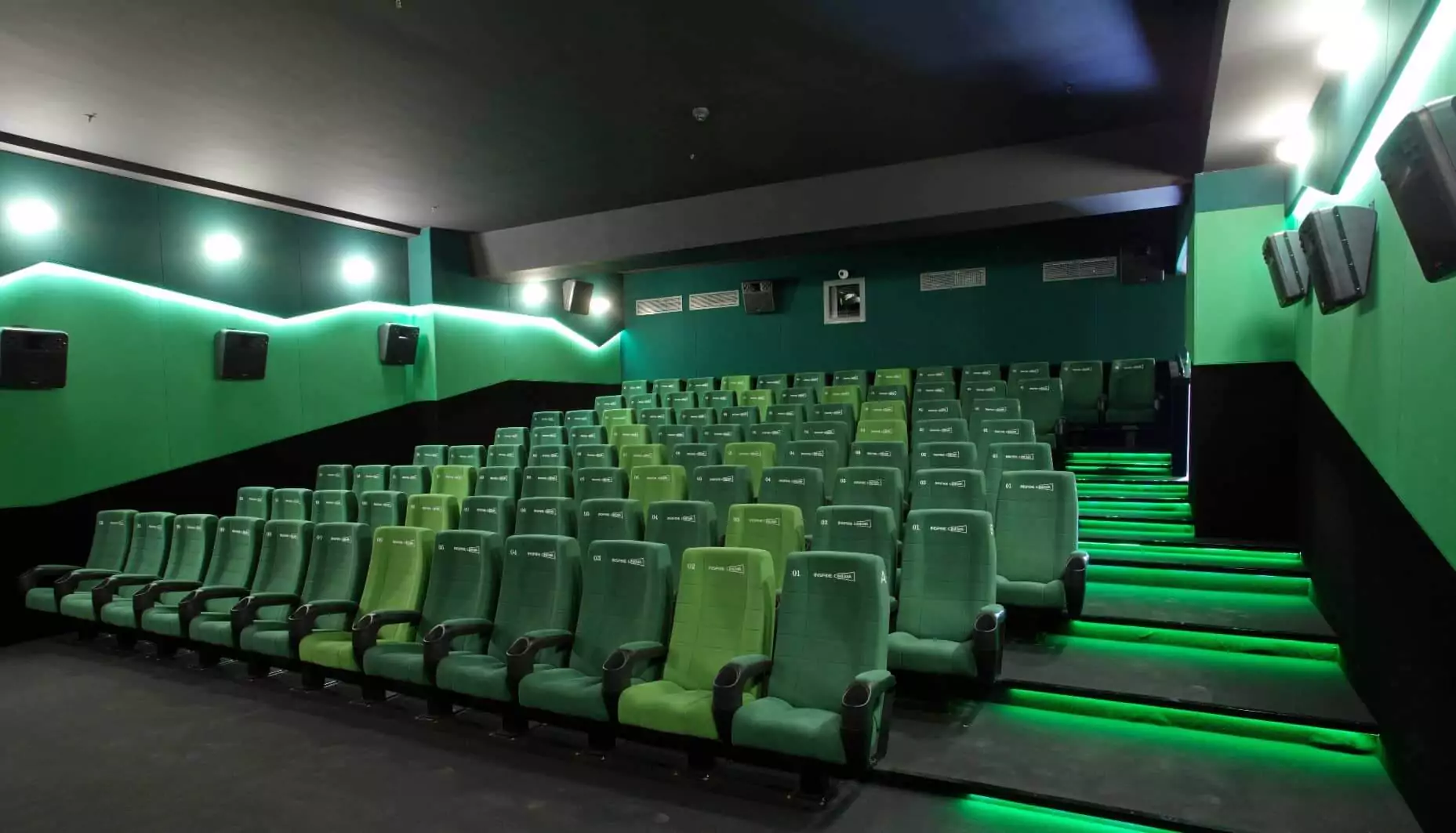
Seats often form the largest visual surface in a space. Rows, alignment, and repetition amplify both quality and error.
A disciplined seat producer pays attention to
proportion that repeats cleanly
forms that align naturally
production tolerances that preserve visual order
Visual calm is achieved through precision, not decoration.
Durability as an Ethical Responsibility
Producing seating carries a long term responsibility. Seats placed in public or professional spaces are expected to remain functional for years.
Durable production choices include
materials that age evenly
construction that resists fatigue
designs that tolerate heavy use
Failure is not just a technical issue. It affects how spaces function and how people experience them.
Maintenance as Part of Production Thinking
A seat producer cannot ignore what happens after installation. Cleaning, inspection, and minor adjustments are part of the seat’s life.
Production that respects operational reality results in seats that
remain accessible for maintenance
do not require constant intervention
retain appearance with routine care
Ease of maintenance supports longevity.
Adaptation Without Overengineering
Seats are used in different environments, but complexity is not always the answer. Overengineered solutions often introduce new problems.
Effective seat production balances
adaptability through proportion
flexibility through simplicity
reliability over excessive features
A seat that does less often performs better for longer.
When the Producer Is No Longer Mentioned
The most successful seat producer is rarely talked about after installation. Users do not notice the seats because they cause no disruption.
When production is done correctly
seats feel the same year after year
spaces remain orderly
problems do not accumulate
Absence of complaint becomes the strongest feedback.
Production That Proves Itself Over Time
Seat production is not validated on delivery day. It is validated after years of use, when seats remain stable, quiet, and functional.
A seat producer focused on long term performance understands that reputation is built slowly. Through consistency, structural discipline, and respect for real use, seating becomes a reliable foundation for the spaces it serves.
That reliability is not visible in a single product. It emerges over time, through repetition, and through the quiet presence of seats that simply continue to do their job.
Created By : Monseat